Source Home Use Spray Tan Machine for Salon, Home, DIY
Compare 30 Home Use Spray Tan Machine options featuring HVLP technology, various nozzle sizes, and electric power sources. Buyers can evaluate models with touch screens, waterproof designs, and multiple plug types for salon, home, or DIY applications.
Key considerations
Products List

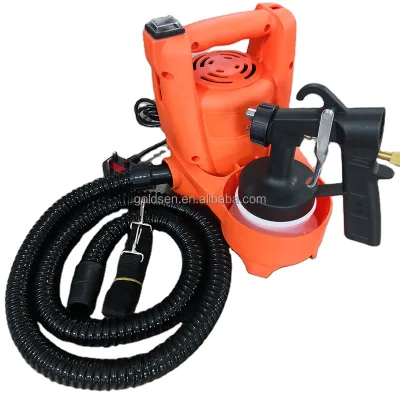
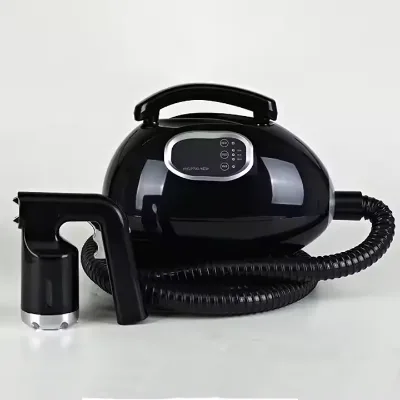
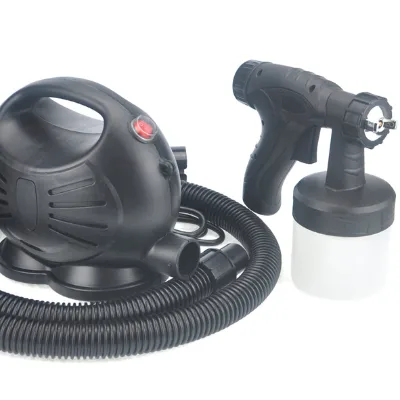
Home Salon Use Mini Sunless Body Spray Tan Machine Portable Tanning Bed
$58.90 - $62.90
MOQ: 100 Pieces

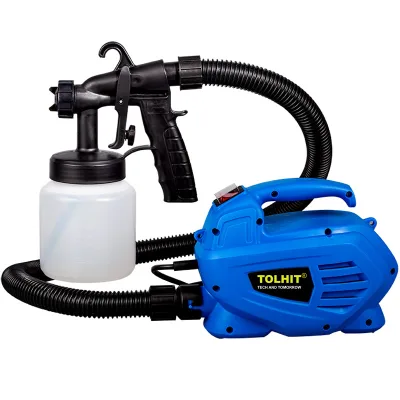
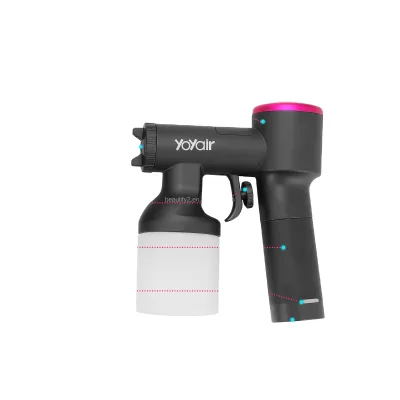
China Manufacturer Home Salon Sunless Body Spray Tan Machine Mini Tanning Bed
$55.50 - $59.50
MOQ: 100 Pieces


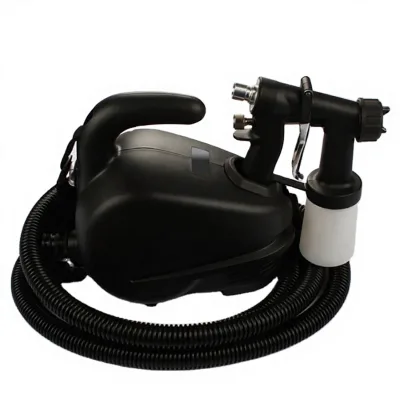
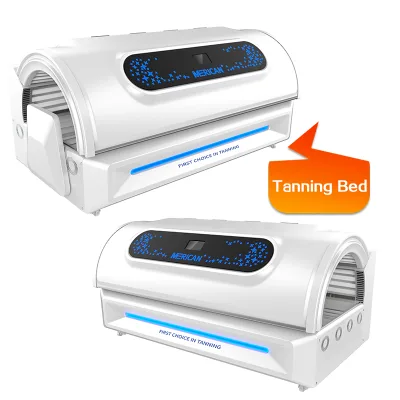
Sunless Spray Tan Gun Bed Professional Hide Body Tanning Machine for Salon
$55.50 - $59.50
MOQ: 100 Pieces

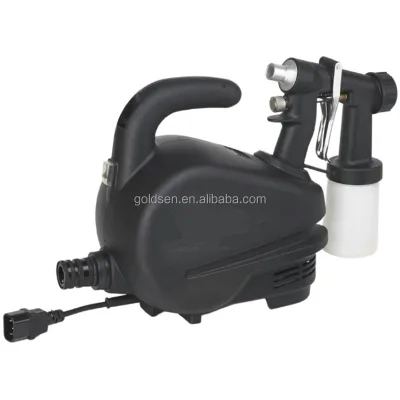
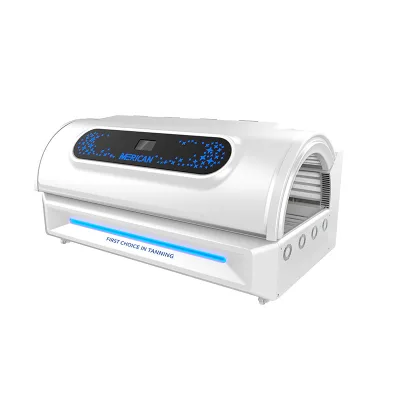
Home Sunless Body Tanning Bed Machine Professional Spray Tan Gun for Salon
$55.50 - $59.50
MOQ: 100 Pieces



Comprehensive Sourcing Guide
Strategic Sourcing Guide for Home Use Spray Tan Machines
Understanding Product Definitions and Core Specifications
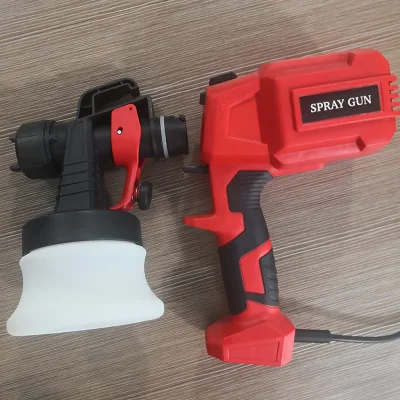
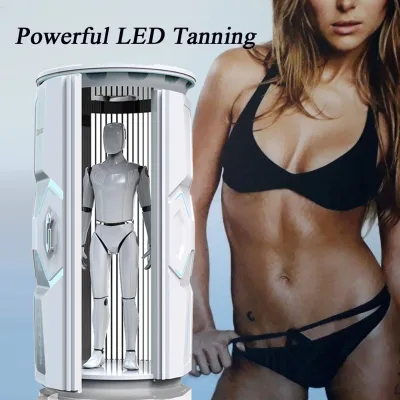
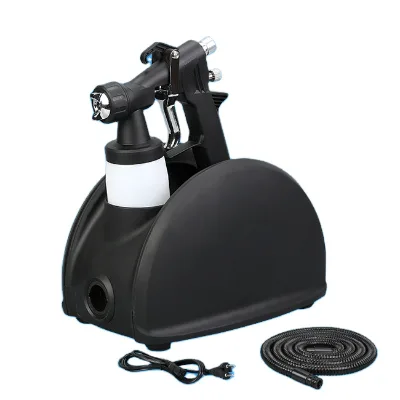
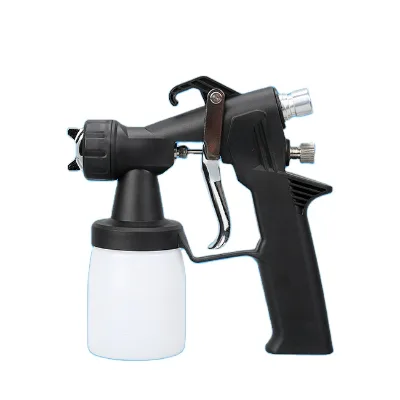
When sourcing a Home Use Spray Tan Machine, buyers must first distinguish between industrial-grade equipment and units specifically engineered for domestic or salon environments. The market presents a variety of terminology, including "HVLP Tanning Machine," "Tanning Bed Machine," and "Professional Spray Tan Machine." While the term "Tanning Bed" often implies large, stationary cabinetry, the specific product attributes observed in the current supply chain frequently refer to handheld or compact spray systems designed for targeted application. The core technology driving these devices is High Volume Low Pressure (HVLP) spray gun technology, which ensures a fine, even mist that minimizes overspray and waste.
Technical specifications vary significantly across the available inventory. A critical differentiator is the nozzle diameter, which directly impacts the texture of the tan. Observed specifications include a 1.5mm nozzle, typically suited for broader coverage or thicker solutions, and a 0.5mm nozzle, which is essential for fine misting and detailed application on sensitive areas. The bottle volume is another vital metric; units are observed with capacities ranging from 150ml to 250ml. For home users, a 150ml to 250ml range offers a balance between portability and the ability to complete a full-body session without frequent refilling.
The power requirements for these devices are generally standardized to accommodate global electrical grids. The observed voltage specifications include 110V and 230V, with plug types available in CN, US, EU, AU, UK, and IT configurations. This variability necessitates that buyers verify the specific plug type and voltage compatibility for their intended region before placing an order. Furthermore, the devices are described as waterproof, a crucial safety feature for equipment that will be used in proximity to water sources or in humid bathroom environments. The power source is consistently listed as electric and plug-in, indicating that these are not battery-operated units, which ensures consistent pressure and spray quality during operation.
Application Scope and Functional Capabilities
The intended application of these machines extends beyond simple tanning. While the primary function is body tanning, the product attributes indicate a multifunctional design capable of addressing various aesthetic needs. The specified target areas include legs, arms, hands, the general body, face, feet, nose, and breast. This versatility suggests that the spray mechanism is adjustable enough to handle both large surface areas and delicate, contoured regions. The feature set often includes claims of skin tightening and whitening, although buyers should treat these as observed product attributes rather than guaranteed medical or dermatological outcomes.
The usage categories listed in the supply data are extensive, covering cosmetic applications, nail care, hair care, skin care, body art, fragrance, and manicure supplies. This broad categorization implies that the equipment is marketed as a versatile beauty tool. For the specific keyword of "home use," the working place is explicitly defined as "salon, indoor, home, DIY." This confirms that the devices are engineered for non-commercial environments, offering a balance between professional-grade output and user-friendly operation. The inclusion of a touch screen display on certain models, such as the "2024 New Spray Tan Machine," suggests an evolution toward more intuitive user interfaces, allowing for precise control over spray settings without the need for complex manual adjustments.
Cost Drivers and Pricing Dynamics
The pricing landscape for spray tan machines is characterized by a wide variance, with observed listed prices ranging from $1 to $7,118.83 USD. This extensive range is not indicative of a single product tier but rather reflects the diversity of the supply chain, which includes basic handheld units and more complex, feature-rich systems. The lower end of the spectrum likely corresponds to entry-level models with standard specifications, while the higher end may include units with advanced features such as touch screens, specialized nozzle configurations, or bundled accessories.
Minimum Order Quantity (MOQ) is another significant cost driver. The observed MOQ range spans from 1 to 500 units. This flexibility is highly beneficial for home use buyers who may be individual consumers, small salon owners, or e-commerce resellers. An MOQ of 1 allows for single-unit procurement, which is ideal for testing the market or personal use, whereas an MOQ of 500 suggests a channel for bulk industrial distribution. Buyers must align their procurement volume with their specific business model to optimize costs. Additionally, the packaging standards, such as 1 piece per color box and 4 pieces per carton, influence shipping costs and logistics planning. The carton dimensions vary by model, with sizes ranging from approximately 39x62x35cm to 63.5x42.5x61cm, which directly impacts freight calculations and storage requirements.
Supplier Evaluation and Geographic Origins
When evaluating potential suppliers, geographic origin plays a pivotal role in understanding production capabilities and logistics. The observed data indicates that the primary manufacturing hubs for these products are located in Ningbo, China, and Zhejiang, China. These regions are well-established centers for manufacturing beauty and personal care equipment, offering a mature supply chain for components like spray guns, motors, and electronic controls.
Quality grades observed in the product listings include "Professional High Quality," "Industrial Grade," and "Industrial Top Quality." While these terms suggest a high standard of manufacturing, buyers should interpret them as supplier claims rather than independently verified certifications. The brand names associated with these products often include "TOLHIT" or are available for OEM (Original Equipment Manufacturer) customization. This indicates that many suppliers offer white-label solutions, allowing buyers to brand the equipment under their own name. Customization is explicitly listed as available, which is a valuable feature for businesses looking to differentiate their product offerings.
Buyers should prioritize suppliers who provide clear documentation regarding the product's origin and manufacturing standards. The "place of origin" is a critical piece of information for customs clearance and quality assurance. Additionally, the warranty period is a key indicator of supplier confidence; the observed data specifies a 1-year warranty, which serves as a baseline for after-sales support. Buyers should verify if this warranty covers specific components like the spray gun or the motor, as these are the parts most prone to wear and tear.
Quality Control and Compliance Verification
Quality control in the spray tan machine sector requires a rigorous approach to verifying the physical and functional attributes of the product. Since the product attributes list "Non-Disposable" as a key characteristic, buyers must ensure that the materials used, primarily plastic, are durable and resistant to the chemicals found in tanning solutions. The "good quality" and "Industrial Top Quality" grades mentioned in the listings should be validated through sample testing rather than accepted at face value.
Compliance and certification checks are essential, particularly for electrical equipment. The voltage specifications (110V/230V) and plug types (US, EU, etc.) must align with local safety standards. While the provided data does not list specific certification bodies (such as CE, UL, or RoHS), buyers must request proof of compliance for their target market. The waterproof rating is a critical safety feature that must be verified through testing to ensure that the device can withstand exposure to moisture without electrical failure.
For buyers sourcing for commercial or home use, the "Professional High Quality" designation should be cross-referenced with actual performance metrics. This includes testing the spray pattern consistency, the durability of the nozzle, and the stability of the touch screen interface. The "2024 New Spray Tan Machine" model, with its touch screen and specific model number, represents a newer iteration that may offer improved reliability over older models. Buyers should request detailed technical sheets that confirm the specifications of the nozzle diameter and bottle volume to ensure they match the intended application requirements.
Long-Term Procurement and Operational Considerations
Long-term procurement strategies for spray tan machines should focus on sustainability, maintenance, and scalability. The "Customization" attribute allows for branding and potential modifications, which can extend the product's lifecycle by adapting it to changing market trends. However, the reliance on specific components like the 1.5mm or 0.5mm nozzles means that buyers must ensure a steady supply of replacement parts. The "1 Year" warranty is a starting point, but buyers should negotiate extended warranty terms or service level agreements for bulk orders to mitigate long-term risks.
The application of these machines in "salon, indoor, home, DIY" settings implies a need for user-friendly designs. The presence of a touch screen and the variety of target areas suggest that the learning curve for users should be minimal. For businesses, this translates to reduced training costs and higher customer satisfaction. The "fast speed" function mentioned in the product attributes is a significant operational advantage, allowing for quicker service turnover in salon environments.
Finally, buyers must consider the environmental impact of the product. The "Non-Disposable" nature of the machine reduces waste compared to single-use alternatives, but the plastic construction and electronic components require proper disposal at the end of the product's life. Sourcing from manufacturers in Ningbo and Zhejiang, who are accustomed to international trade standards, can facilitate compliance with environmental regulations in the buyer's region. By focusing on these long-term factors, buyers can ensure that their investment in spray tan machines remains viable and profitable over time.
FAQs
What nozzle diameters are available for home use spray tan machines?
Available nozzle diameters include 0.5mm and 1.5mm to suit different application needs. The 0.5mm nozzle is ideal for fine misting on sensitive areas, while the 1.5mm nozzle supports broader coverage with thicker solutions for general body tanning sessions.
Can these machines be used in both salon and home environments?
Yes, the devices are explicitly designed for use in salons, indoor spaces, homes, and DIY settings. They feature waterproof construction and electric plug-in power sources to ensure safety and consistent performance across various commercial and domestic working places.
Which voltage and plug types are supported by these spray tan machines?
The machines support both 110V and 230V voltage specifications to accommodate global electrical grids. Plug types are available in CN, US, EU, AU, UK, and IT configurations, ensuring compatibility with different regional power standards without requiring adapters.
How does the bottle volume affect the usage duration of the machine?
Observed bottle volumes range from 150ml to 250ml, balancing portability with session capacity. A 150ml to 250ml range allows users to complete a full-body tanning session without frequent refilling, making it suitable for both quick home applications and salon workflows.
What customization options are available for branding these spray tan machines?
Customization is available for buyers seeking to brand the equipment under their own name. Suppliers offer OEM services with brand names like TOLHIT or allow for white-label solutions, enabling businesses to differentiate their product offerings in the market.
Where are the primary manufacturing locations for these tanning machines?
The primary manufacturing hubs for these products are located in Ningbo and Zhejiang, China. These regions provide a mature supply chain for beauty equipment, ensuring access to components like spray guns and electronic controls for consistent production quality.
What warranty period is typically provided for these professional spray tan machines?
A standard one-year warranty is provided for these machines to cover potential defects. This baseline for after-sales support helps mitigate risks, though buyers should verify if the warranty specifically covers critical components like the spray gun or motor.